

Quick answer
Long Beach whale watching season operates year-round, with gray whales migrating south December through February and returning north March through April, while blue whales, fin whales, and humpbacks feed in local waters May through November. Winter months offer the most reliable sightings as gray whales hug the coastline during their 12,000-mile round-trip migration between Alaska and Baja California. Summer and fall bring the largest animals on Earth—blue whales—to the nutrient-rich waters of the San Pedro Channel.
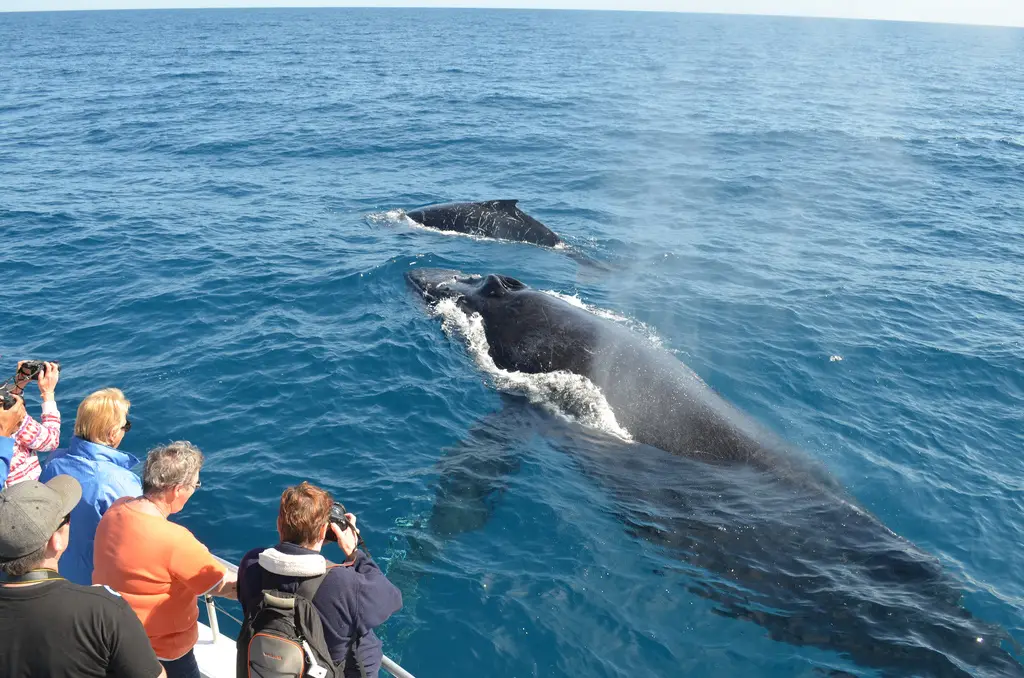
The Eastern Pacific gray whale completes the longest mammal migration on record, and Long Beach Harbor provides front-row access to both legs of that journey. Southbound gray whales begin appearing in early December, traveling with urgency toward breeding lagoons in Baja. Mothers with newborn calves make the return passage in March and April, often lingering closer to shore where calmer water protects vulnerable young. Between May and November, the long beach whale watching season shifts to feeding aggregations rather than migration corridors. Blue whales—some exceeding 90 feet in length—follow krill blooms that concentrate in the San Pedro Channel's upwelling zones. Fin whales and humpback whales join them, creating what marine biologists call the most diverse cetacean assemblage in North America. These months produce encounters with multiple species on a single departure, along with dolphins, sea lions, and occasional orcas. Ocean conditions shape daily success more than the calendar alone. Morning departures between 9:00 and 11:00 typically encounter calmer seas and better visibility before afternoon winds develop. Gray whale season's predictable migration timing makes December through April the safest bet for first-time visitors, while experienced watchers target summer's blue whale aggregations despite less certain sighting rates. Water temperature, plankton density, and storm patterns all influence where cetaceans feed and travel, which is why naturalists aboard Long Beach vessels provide real-time interpretation based on current marine reports. No single month guarantees sightings, but the overlapping species windows mean Long Beach offers viable whale watching nearly every day of the year. Gray whales favor the shallow coastal shelf, often visible from shore during peak migration. Blue whales require deeper water, typically found 5 to 15 miles offshore where the continental shelf drops away. Tour operators departing from 100 Aquarium Way navigate both zones depending on seasonal patterns and daily spotter reports.
“Long Beach Harbor sits along one of the most active marine mammal migration corridors, where gray whales and blue whales follow predictable seasonal routes just miles offshore.”
Understanding the Long Beach Whale Watching Season
The whale watching season in Long Beach is defined by two primary migration windows, with late winter and summer offering the most consistent opportunities to observe different species. Planning your visit around these seasonal shifts ensures the highest probability of sightings based on migratory patterns.
December to April
ModerateCooler, 60-65°F
Gray whales migrate through these waters during this period. You may also spot dolphins and sea lions.
May to September
HighWarm, 70-75°F
This window corresponds with the arrival of Blue whales, the largest animals on the planet. Sightings are frequent in deeper offshore waters.
Weekday mornings
Low—
Early departures often experience calmer sea conditions. This timing provides the best wildlife viewing opportunities within the daily schedule.
Verdict: For the widest variety of sightings and calmer conditions, aim for weekday mornings during the transition months of April or September.
Daily Operating Hours for Long Beach Whale Watching Season
Whale watching operations in Long Beach Harbor are open daily to accommodate passenger departures. Visitors are encouraged to plan their arrival within the 09:00–15:00 window for the best wildlife viewing opportunities.
| Monday | 09:00–17:30 | |
|---|---|---|
| Tuesday | 09:00–17:30 | |
| Wednesday | 09:00–17:30 | |
| Thursday | 09:00–17:30 | |
| Friday | 09:00–17:30 | |
| Saturday | 09:00–17:30 | |
| Sunday | 09:00–17:30 |
Pricing for Long Beach Whale Watching Season Tours
Whale watching tour costs in Long Beach Harbor depend on the specific operator selected for your excursion. Prices reflect base rates for standard vessel passage.
Adults typically pay a starting price of 45 USD, though final rates vary by operator.
Directions to the Long Beach Whale Watching Season Departure Point
The departure point for whale watching tours is located at 100 Aquarium Way, Dock #2, Long Beach, CA 90802. Visitors can reach the harbor easily via major regional freeways or public transit connections serving the Long Beach waterfront.
I-710 South to Aquarium Way
A Line to Downtown Long Beach Station
Long Beach Transit to Shoreline Dr & Aquarium Way
Checklist for Your Long Beach Whale Watching Season Visit
Prepare for variable ocean conditions and ensure you have confirmation details before departure.
-
Book your tour in advance
-
Tours fill quickly during peak migration months, especially weekends and holidays.
-
Bring binoculars or a camera with zoom
-
Whales often surface at distances where magnification significantly improves viewing.
-
Dress in layers with a windproof jacket
-
Ocean temperatures drop 10–15°F from shore, and wind chill increases on moving vessels.
-
Pack motion sickness medication if needed
-
Open-water swells differ from calm harbor conditions, even on shorter tours.
-
Confirm your booking and departure dock
-
Multiple operators use Long Beach Harbor; verify your specific dock location at 100 Aquarium Way.
-
Arrive 30 minutes before departure time
-
Boarding procedures, safety briefings, and passenger check-in require time before the scheduled sail.
Check availability
Frequently asked questions about long beach whale watching season
Everything you need to know about long beach whale watching season